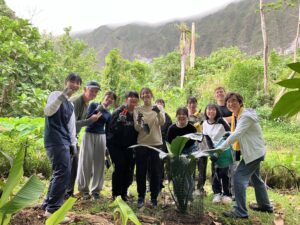
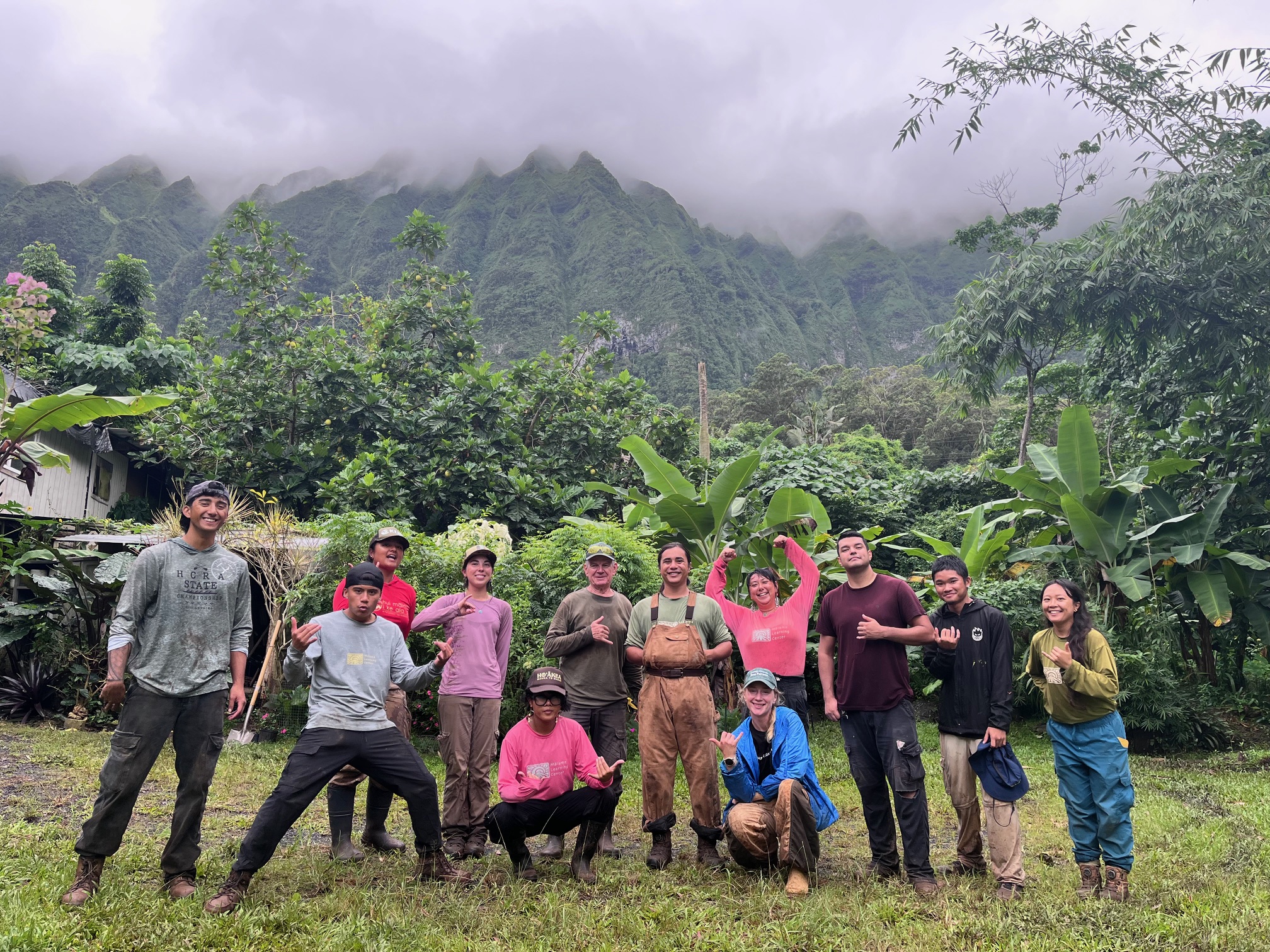
Young volunteers from Mālama Learning Center
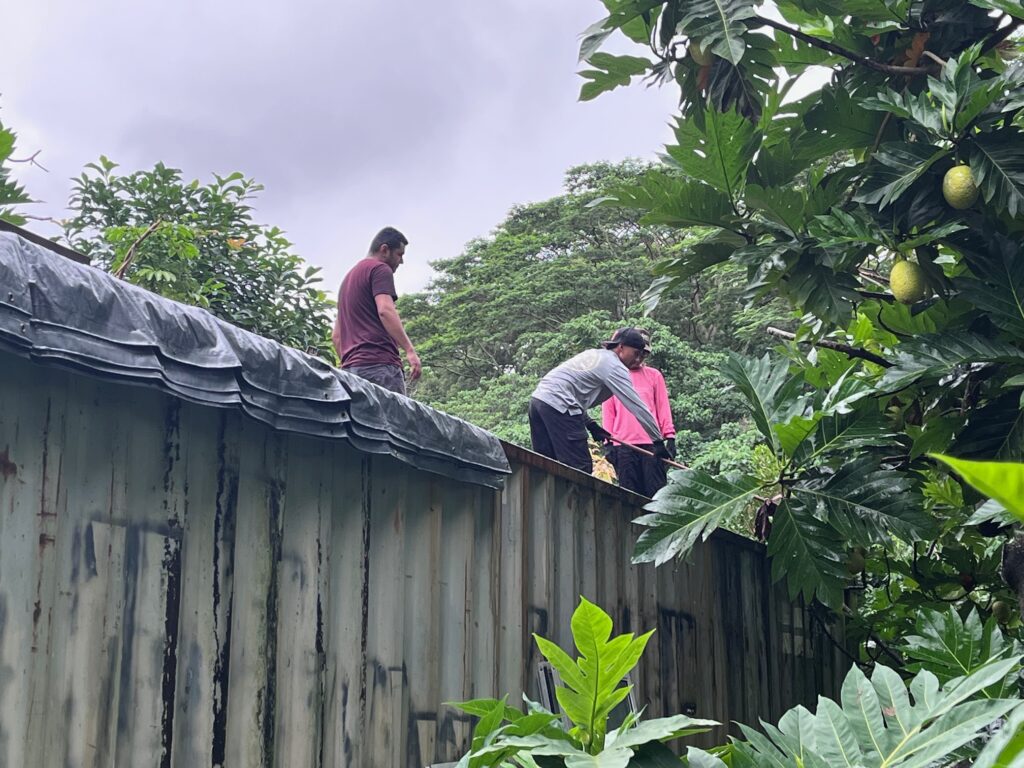
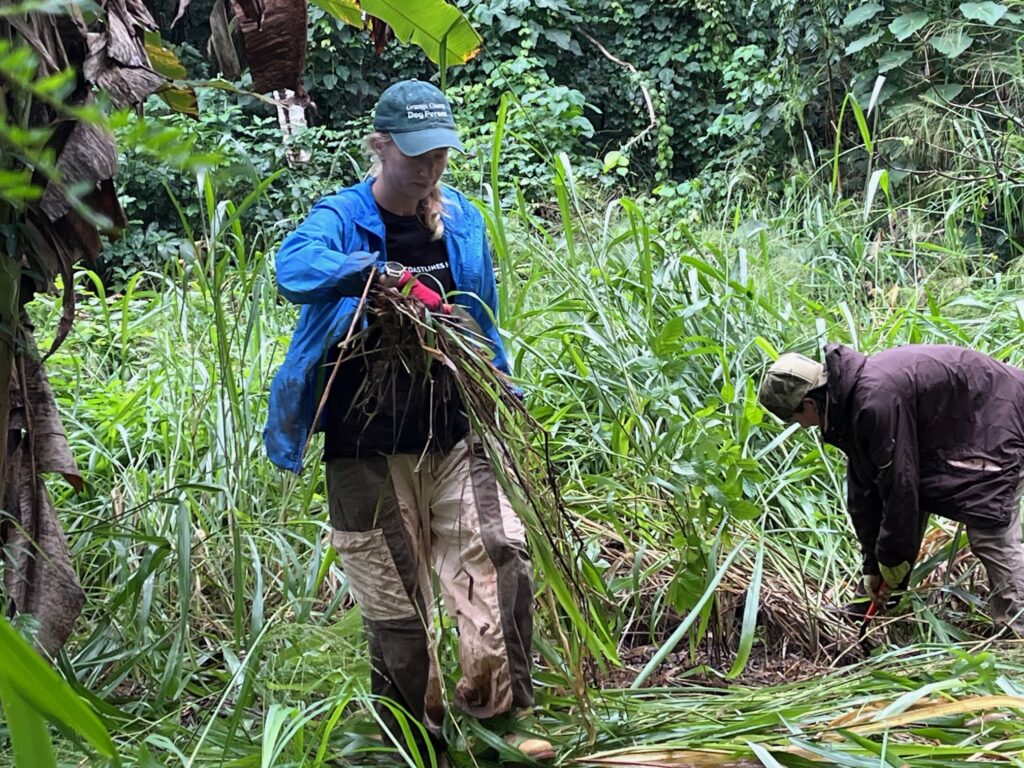
On a Friday at the end of October, when the peaks of the Koʻolau Mountain Range were shrouded in a magical mist due to the prolonged rain that had fallen up until the previous day, ten young volunteers from the Mālama Learning Center—which is a nonprofit educational organization with a long history in West Oahu, focusing on environmental education, natural resource management, and leadership development—came all the way to Waimanalo to help Second Nature Farm. Armed with “my tool”—including several who held chainsaw certifications—the entire group worked together for a few hours to clear overgrown ‘ulu (breadfruit) and palm trees, as well as invasive tall grasses. Thanks to the hard work of this large group of energetic nature lovers, the area that had been overgrown with brush was cleared, and our entire farm is now filled with new energy. Seeing the mountain of ‘ulu they harvested from the tall trees, Gary and I felt deep gratitude.
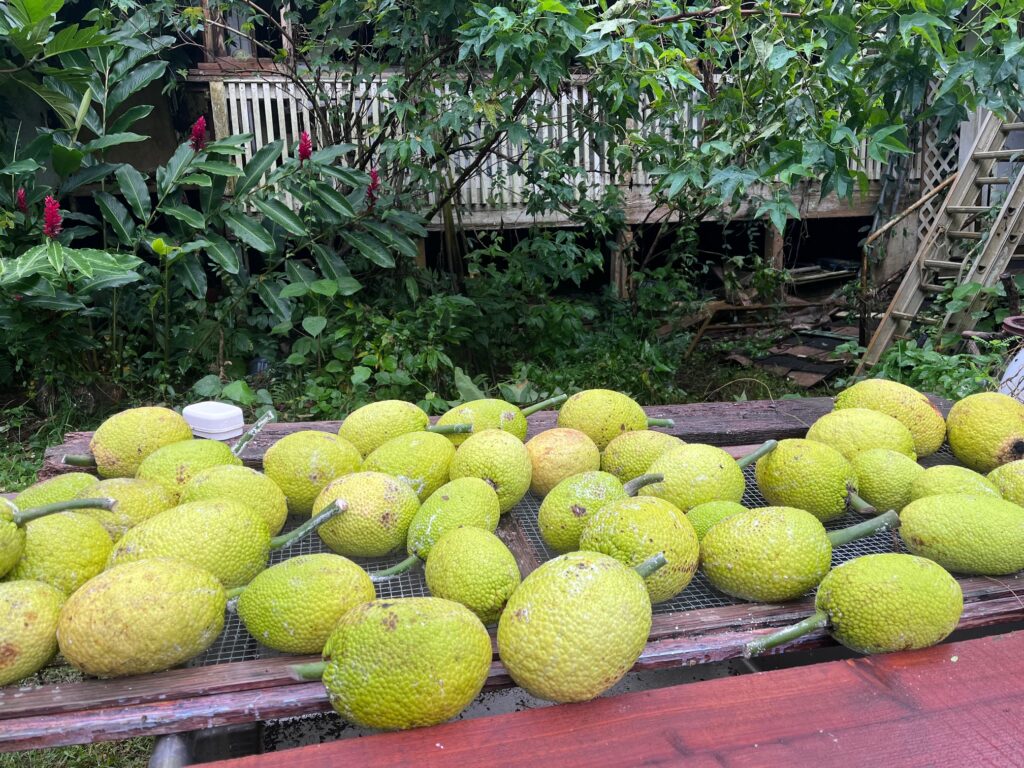
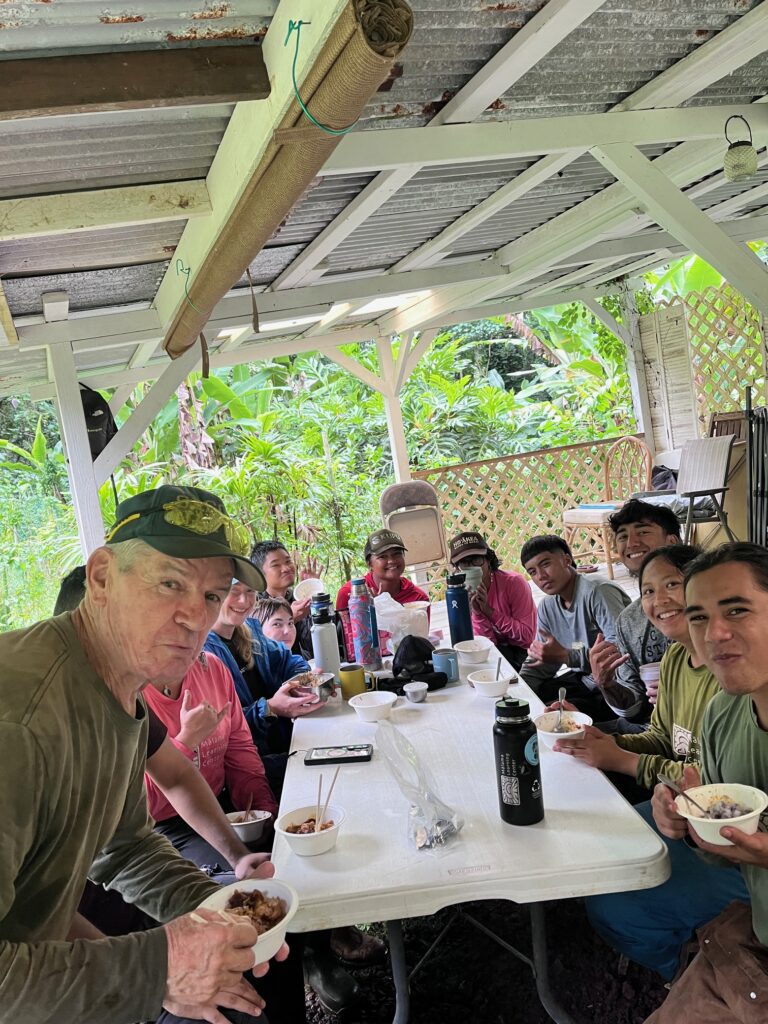
After the work was done, they ate up the staff lunch we provided as a thank-you—kalo curry and ‘ulu salad—exclaiming, “Delicious!” which made us even happier. We very much appreciate their extraordinary help!
*****
Typically, Hawaii’s hurricane season is predicted to run from early June to late November, but here in the Windward region of Oahu, where Second Nature Farm is, the weather remains unpredictable this year. In 2026, partly due to a super El Niño, the central Pacific—including the Hawaiian Islands—has seen a record number of cyclones from early spring through today: storms, tropical depressions, and hurricanes, though their names vary by scale. Every time reports emerged of damage across the islands—such as homes collapsing due to storms and floods and farms being submerged—many of you reached out to ask, “Is Second Nature Farm okay?” We are grateful that our natural farm has avoided such disasters so far.
We believe a major factor is that the Koʻolau Mountain Range and their natural forest protect the farms at their foot. Of course, Gary is always preparing for flooding—for example, by inspecting the farm’s irrigation channels whenever heavy rain or flood warnings are issued. However, the deep forest that has developed over tens of thousands of years, along with the naturally spread network of plant roots and waterways extending beneath the soil, protects the vegetable fields and kalo loʻi (taro paddies) in lower areas from major disasters. As a result, we’ve been able to avoid significant damage simply by making minor adjustments to those channels.
Even so, perhaps because of the severe weather that persisted almost every week this year, the day after a major storm, a massive tree from the neighboring farm—located across the stream from ours—came crashing down onto our side with a tremendous “crack, crack, crack” and “thud.” It seems the giant tree wasn’t supported by the ground on our neighbor’s property because of the continuing heavy rain. Luckily, no one was there at the time; there were no injuries or other damage, but we had a hard time cleaning up the fallen tree. As this incident illustrates, regular inspections of old, giant trees are a vital routine in agroforestry. That’s why the help from trained volunteers who love natural forests, as mentioned above, is invaluable.
Even on our small agroforestry farm, which is just over three acres, we’re being tossed about by extreme weather like this—so I couldn’t help but think of our friend, Chiho Ushio, and wonder just how much hardship she must be facing as she works to regenerate native forests on a vast 29-acre plot on the Big Island.
*****
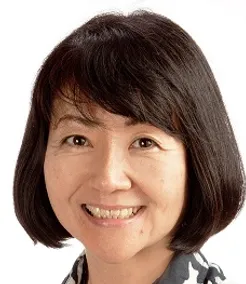
Chiho is a Japanese artist who creates fantastic abstract prints inspired by Hawaii’s nature. While she is active in her artistic career—including holding exhibitions on various islands—she is also devoting her heart and soul to the restoration of a native forest on the Hamakua Coast of the Big Island of Hawaii, a forest that has been ravaged by animals brought by humans that have run wild, as well as by invasive species.
Although Gary and I only met Chiho earlier this spring, we both wanted as many people as possible to learn about her work. So we invited her as a guest speaker at our Autumnal Equinox Festival on Saturday, September 26, where she spoke about “ULUOLA,” the forest restoration project she is leading on the Big Island.
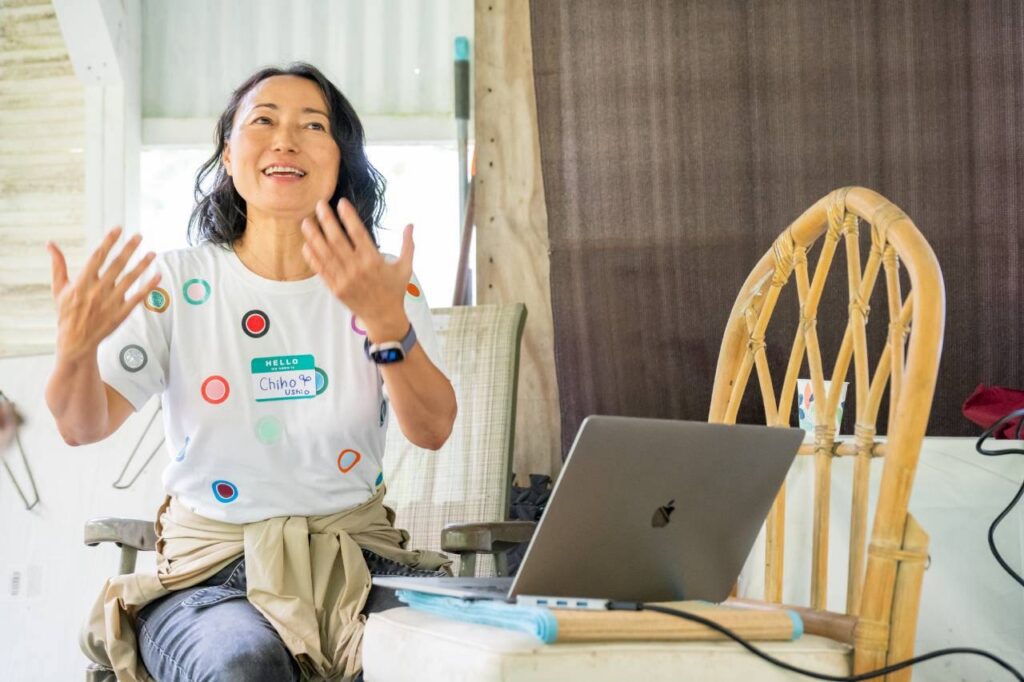
She spoke with sparkling eyes and animated gestures about the pure passion she felt when she started this project, the hardships of erecting long fences across vast tracts of land to protect plants from damage caused by feral domestic animals such as pigs and goats, and the joy she felt when native Hawaiian plants like koa and ohia trees began to sprout and grow on the land cleared of stubborn invasive species—all of this was conveyed through Chiho’s words and smiles filled with love for nature. The audience listened intently, and their cheeks flushed, as if reliving her forest restoration journey firsthand.
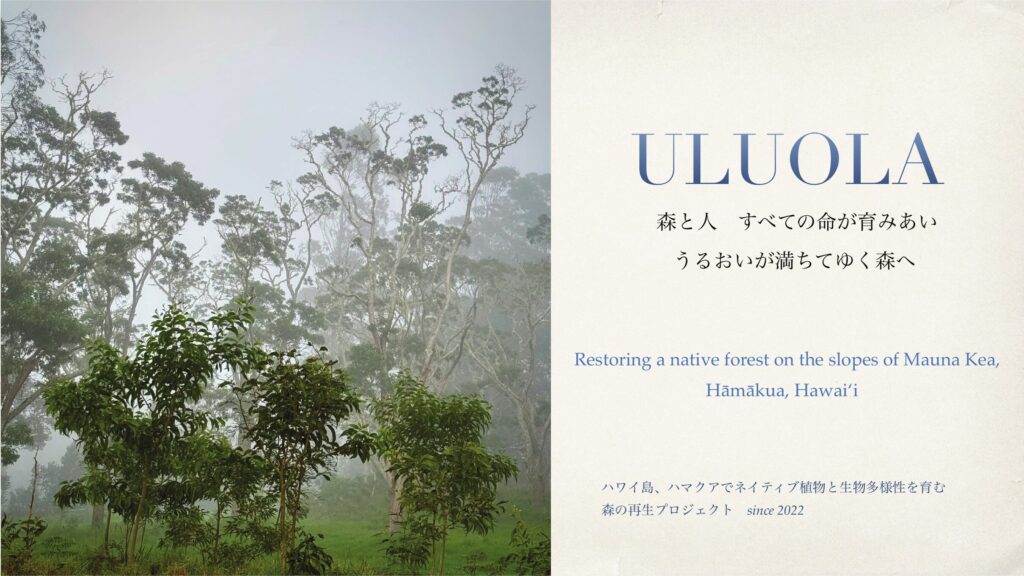
Chiho’s forest restoration project will also officially begin recruiting volunteers starting at the end of this year. Gary and I also hope to visit and lend a hand soon. While there’s only so much we can do on our own, if those of us who love natural forests work together across regional boundaries, we can open new paths to solving environmental problems.
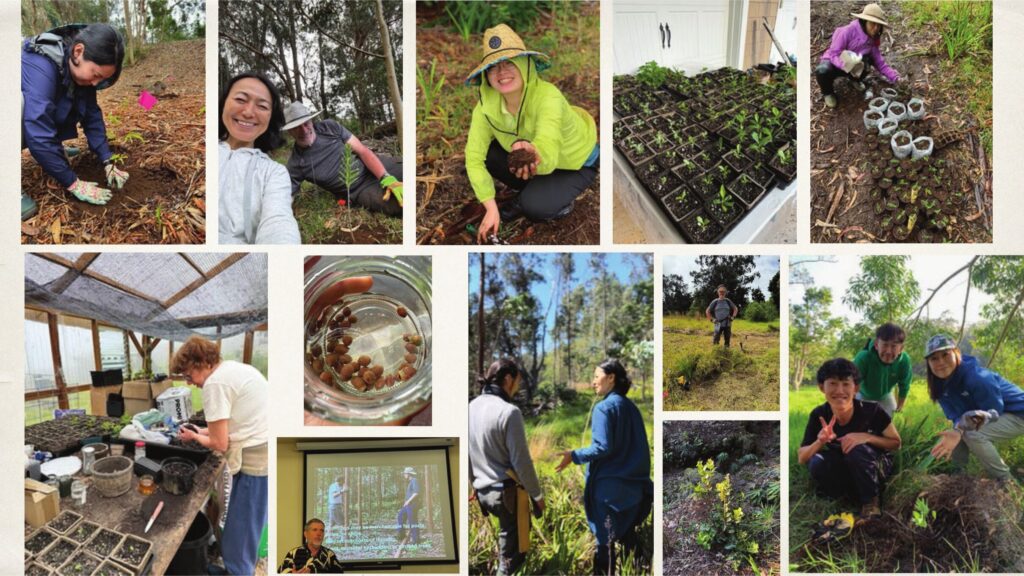
Like other living beings on Earth, we humans are all sustained by this planet. We hope to continue expanding our connections with like-minded people and supporting one another.
*****
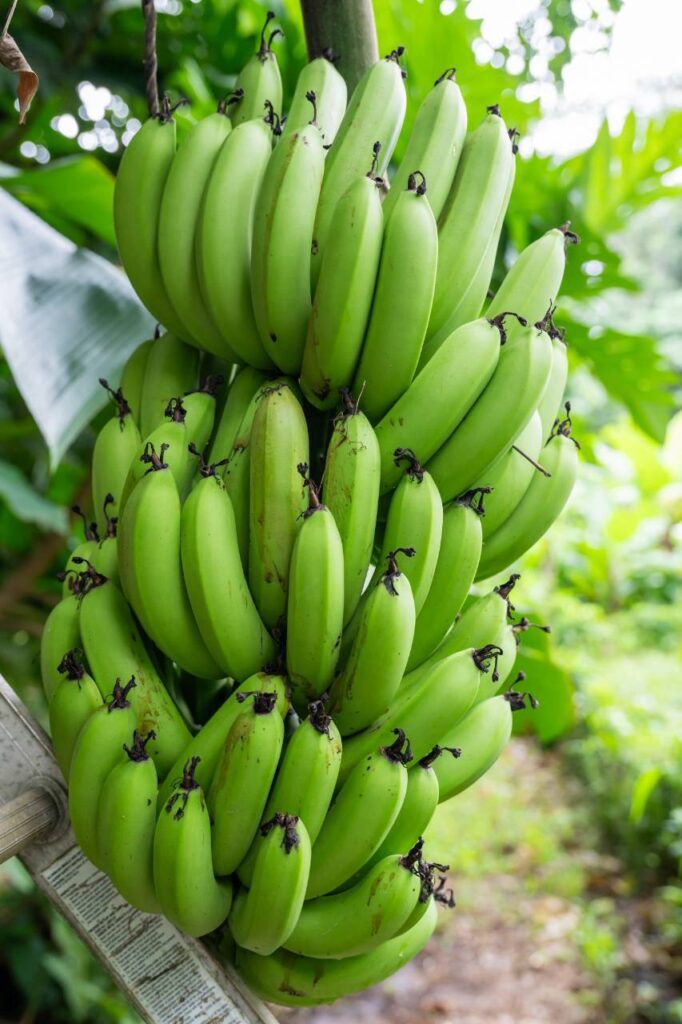
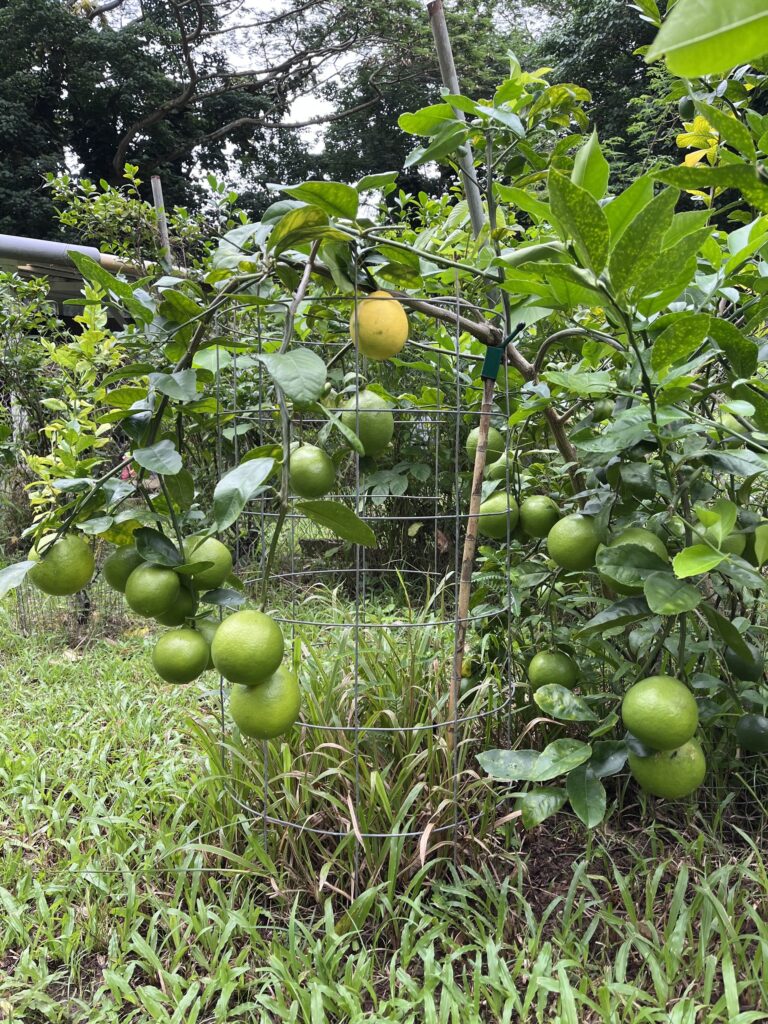
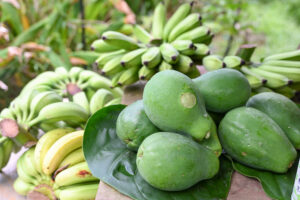
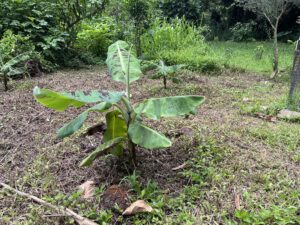
If you are interested in the Mālama Learning Center on Oahu or the ULUOLA Project on Big Island, please contact the addresses below for more details. Additionally, Second Nature Farm is also welcoming more nature-loving volunteers as we increase production of a variety of fruits, as shown above, and move toward new project developments. Please don’t hesitate to reach out to any of us!
[Mālama Learning Center]
Email: info@malamalearningcenter.org Phone: 808-305-8287
Website: www.malamalearningcenter.org
[Chiho Ushio / ULUOLA Project]
Email: kaimana@chihoushio.com Website: chihoushio.com
[Second Nature Farm]
Email: info@secondnature-hawaii.com
Sources:
NOAA / NWS Honolulu: 2026 Central Pacific Hurricane Season Outlook
Hawaii News Now: 2026 Pacific hurricane season breaks record for activity (Oct. 13, 2026)